Discover the top selection of exciting canyoneering tours in the Philippines. Experience thrilling adventures through scenic gorges and waterfalls. Book now to secure unbeatable rates and enjoy a hassle-free adventure!
Canyoneering Tours
Discover the top selection of exciting canyoneering tours in the Philippines. Experience thrilling adventures through scenic gorges and waterfalls. Book now to secure unbeatable rates and enjoy a hassle-free adventure!
"Guide to the Philippines made my adventure truly unforgettable with knowledgeable and friendly service providers. Everything was flawless and went beyond my expectations!"
Why Choose The #1 Travel Platform in the Philippines
Discover the advantages that make us the most trusted choice for your adventure in the Philippines
The Philippines’ Leading Travel Marketplace
Trusted by thousands of travelers, we’re your go-to platform for discovering the best tours and experiences across the Philippines, from famous islands to hidden local gems.
Best Price Guarantee
We guarantee the lowest prices on all our tours. If you find a better deal elsewhere, we’ll match it. That’s how confident we are that you’ll always get the best price with us.
Expert Local Guidance
All tours are curated and quality-checked by Filipino travel professionals who ensure every experience is safe, authentic, and unforgettable.
Largest Selection of Tours in the Philippines
With hundreds of verified local operators, we offer the most comprehensive choice of activities to match your travel style and schedule.
Free Cancellation on All Tours
Plan your trip worry-free knowing that all tours include free cancellation.
Multilingual 24/7 Customer Support
Our support team is available in three languages and typically responds within seconds. You're never left waiting.
The Philippines’ Leading Travel Marketplace
Trusted by thousands of travelers, we’re your go-to platform for discovering the best tours and experiences across the Philippines, from famous islands to hidden local gems.
Largest Selection of Tours in the Philippines
With hundreds of verified local operators, we offer the most comprehensive choice of activities to match your travel style and schedule.
Best Price Guarantee
We guarantee the lowest prices on all our tours. If you find a better deal elsewhere, we’ll match it. That’s how confident we are that you’ll always get the best price with us.
Free Cancellation on All Tours
Plan your trip worry-free knowing that all tours include free cancellation.
Expert Local Guidance
All tours are curated and quality-checked by Filipino travel professionals who ensure every experience is safe, authentic, and unforgettable.
Multilingual 24/7 Customer Support
Our support team is available in three languages and typically responds within seconds. You're never left waiting.
We offer so much more
Explore an unequalled wealth of tours and packages
What are the best canyoneering tours in the Philippines?
The Philippines offers several incredible canyoneering experiences that combine adventure, nature, and breathtaking scenery. In Cebu Island Province, the canyoneering tour to Kawasan Falls is one of the most popular, with cliff jumps, natural water slides, and crystal-clear lagoons leading to the famous turquoise waterfall. If you just want to swim by the falls, there are Kawasan Falls tours that do not include the canyoneering activity.
In Mindanao Region, Mapawa Nature Park in Cagayan de Oro City offers a thrilling canyoneering experience that includes rappelling down waterfalls, sliding down natural rock formations, and jumping into refreshing river pools surrounded by lush greenery.
In Samar Island, Bangon Falls offers a breathtaking canyoneering route where participants can trek through dense forest trails, climb over boulders, and rappel beside the stunning multi-tiered falls before cooling off in its natural pools.
Canyoneering, also known as canyoning, is an outdoor adventure that involves navigating a river canyon through activities like trekking, climbing, swimming, rappelling, and jumping into natural pools. It’s an exciting way to explore hidden waterfalls, narrow gorges, and scenic rock formations while challenging your physical limits.
Is canyoneering in the Philippines suitable for beginners?
Yes, many canyoneering tours in the Philippines are beginner-friendly and guided by experienced professionals who provide safety instructions and assistance throughout the adventure.
Life vests, helmets, and safety gear are included to ensure your safety. While most routes have mandatory jumps, many tours offer alternative paths or lower jumps for those who prefer a more moderate experience.
What should I bring for a canyoneering tour?
Wear lightweight, quick-drying clothes and sturdy water shoes or sandals with good grip to protect your feet. Bring sunscreen, a towel, a change of clothes, and a waterproof bag for your phone or camera.
Avoid bringing bulky items, as you’ll need to stay mobile throughout the trek. Most tour operators provide helmets, life vests, and harnesses, so you don’t need to bring your own safety gear.
How long does a typical canyoneering tour last?
Canyoneering tours generally last 3 to 5 hours, depending on the route and pace of the group. Full-day tours that include transportation, lunch, and additional activities like waterfall visits or side trips to nearby attractions can last up to 8 hours.
Do I need to know how to swim to join a canyoneering tour?
Basic swimming skills are helpful but not required, as life vests are provided for all participants. Tour guides are trained to assist non-swimmers and ensure their safety during water crossings and cliff jumps. If you are not confident in the water, inform your guide so they can provide extra support.
Is there an age limit for canyoneering in the Philippines?
Most canyoneering tours have a minimum age requirement, usually between 8 to 10 years old, depending on the difficulty of the route. There is generally no maximum age, but participants should be in good physical condition to handle climbing, trekking, and jumping.
When is the best time to go canyoneering in the Philippines?
While some routes may close temporarily during typhoons or extremely heavy rain for safety reasons, most canyoneering spots remain accessible year-round as long as weather conditions are manageable. It’s advisable to check the weather forecast and confirm with your tour provider before your scheduled trip.
What is included in a canyoneering tour?
Most canyoneering tours include hotel pick-up and drop-off, a licensed guide, safety gear (helmet, life vest, harness), entrance fees, and lunch or snacks. Some tours also offer photo or video services and visits to nearby attractions, such as waterfalls or beaches, for an additional fee.
Can I customize my canyoneering tour?
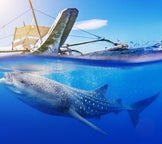
Yes, private tours offer the most flexibility, allowing you to adjust the pace and itinerary according to your preferences. You can combine canyoneering with other activities, such as island-hopping, whale shark watching, or visits to nearby landmarks.
Are there restrooms and dining options near canyoneering sites?
Most popular canyoneering sites have restrooms and changing areas at the start or end points of the tour. Local eateries and food stalls are often available nearby, serving refreshments and traditional Filipino dishes. Some tours also include a buffet lunch or snacks as part of the experience.
Is tipping expected during canyoneering tours?
Tipping is not mandatory but is appreciated, especially if your guide provided excellent service, ensured your safety, and made the experience enjoyable. A small tip is a thoughtful way to show your gratitude.
Install the Philippines’ biggest travel app
Download the Philippines’ biggest travel marketplace to your phone to manage your entire trip in one place
Scan this QR code with your phone camera and press the link that appears to add the Philippines’ biggest travel marketplace into your pocket. Enter your phone number or email address to receive an SMS or email with the download link.
Top things to do in the Philippines
Discover all the adventures you can experience in the Philippines