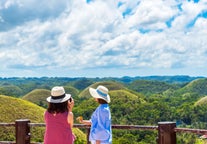
Some of the best hiking tours in the Philippines include the
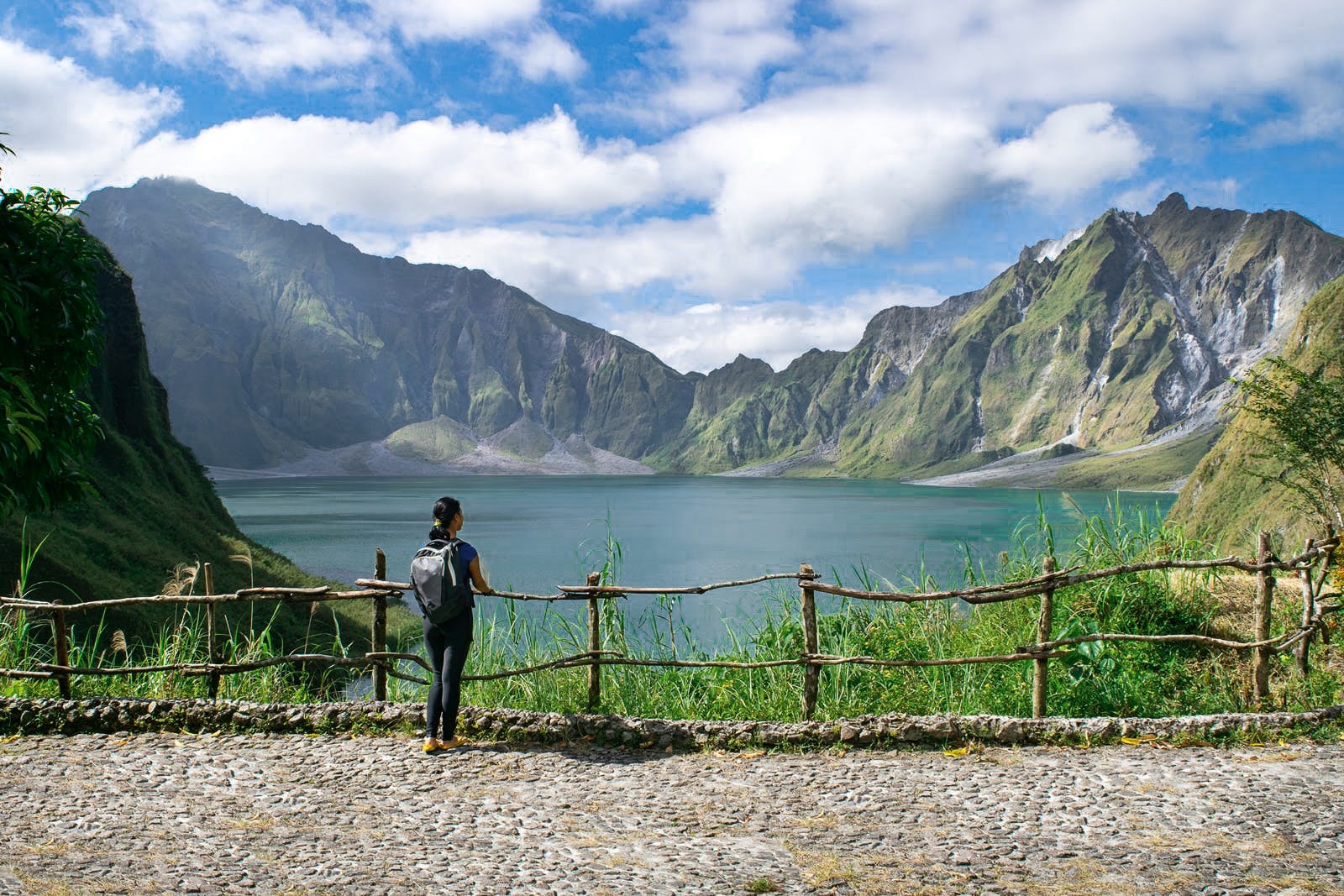
Mount Pinatubo Crater Lake Tour, where you’ll trek across volcanic landscapes to reach the scenic blue-green lake at the crater, and the
Mount Pulag hike in
North Luzon, where you’ll witness the stunning “sea of clouds” at sunrise from the country’s third-highest peak. For experienced adventurers, the
Mount Apo trek in Mindanao region offers a multi-day journey to the highest peak in the Philippines. For those looking for a rewarding yet shorter trail, the Osmeña Peak hike in Cebu Province offers breathtaking views of jagged hills and coastlines, making it a top choice for beginners and casual hikers.
The best time for
hiking in the Philippines is during the dry season, from November to May, when trail conditions are safer and skies are clear. Early mornings are ideal year-round to avoid the midday heat, especially on lower-elevation trails. Trekking tours to Mount Pinatubo and a
Mount Batulao day hike, are especially enjoyable in the dry season with more predictable weather.
Yes, guided hiking tours provide valuable insights into the natural surroundings, cultural significance, and safety on trails. Many tours, such as those to Mount Pulag and Mount Pinatubo Crater, include convenient transfer options from
Manila City, ensuring a smooth and hassle-free start to your adventure. With in-depth guidance and local expertise, these tours make the experience more enriching, safe, and accessible for all skill levels.
Wear light, breathable clothing and sturdy hiking shoes with good grip. Essentials include a hat, sunscreen, and insect repellent for sun and bug protection. For high-altitude treks like Mount Pulag, bring a jacket as temperatures can drop significantly at the summit.
Some trails, like Mount Pinatubo, may still be accessible during the rainy season (June to October), but it’s best to check with the tour provider for weather conditions, as certain trails may become muddy or temporarily inaccessible. Wearing waterproof gear and proceeding with caution are recommended during this season.
Yes, booking a guide is recommended for most hikes, especially on trails with conservation requirements, like Mount Pulag. Our guided tours, including the Mount Pinatubo crater trek, come with local guides who ensure your safety, provide insights, and help with logistics like permits.
Yes, there are several
hiking spots near Manila City that make great day trips, including the trek to Mount Batulao in Batangas province and
Mount Daraitan hike in Rizal province. These hikes offer scenic views and a range of difficulty levels, making them ideal for a quick outdoor adventure.
Mount Apo in Mindanao region is the highest mountain in the Philippines, at 2,954 meters (9,692 feet) above sea level. This multi-day trek, available as a guided tour, takes you through geothermal areas, dense forests, and rugged terrain, making it a top choice for seasoned hikers.
Yes, some hikes, like Mount Pulag and Mount Apo, require permits for environmental conservation. When booking hiking tours, permits are often included in the package, allowing for a seamless experience.
Yes, camping is allowed on certain hikes, such as Mount Pulag and Mount Apo, where multi-day treks are common. Overnight tours often include camping essentials like tents and gear, making it easy to enjoy the outdoors while following local regulations and conservation practices.
While some trails are suitable for solo hikers, we recommend joining a guided shared tour, especially on remote trails, for added safety. Tours like the Mount Pinatubo crater trek and Mount Apo expedition ensure you have expert support and guidance throughout your hike.
For multi-day treks, such as the Mount Apo Expedition, bring essentials like a tent, sleeping bag, weather-appropriate layers, food, and water. Some tours inclusion cover basics like tents, meals, and guides, but confirm what’s provided before your trip.
Yes, many hiking tours, such as Mount Pulag and Mount Apo, follow eco-friendly practices to protect the environment. These tours promote sustainable tourism by minimizing impact, adhering to Leave No Trace principles, and working with local communities to preserve natural habitats.